Who Is a Good Candidate for a Neck Lift?

Dr. William A. Wallace • March 2, 2023

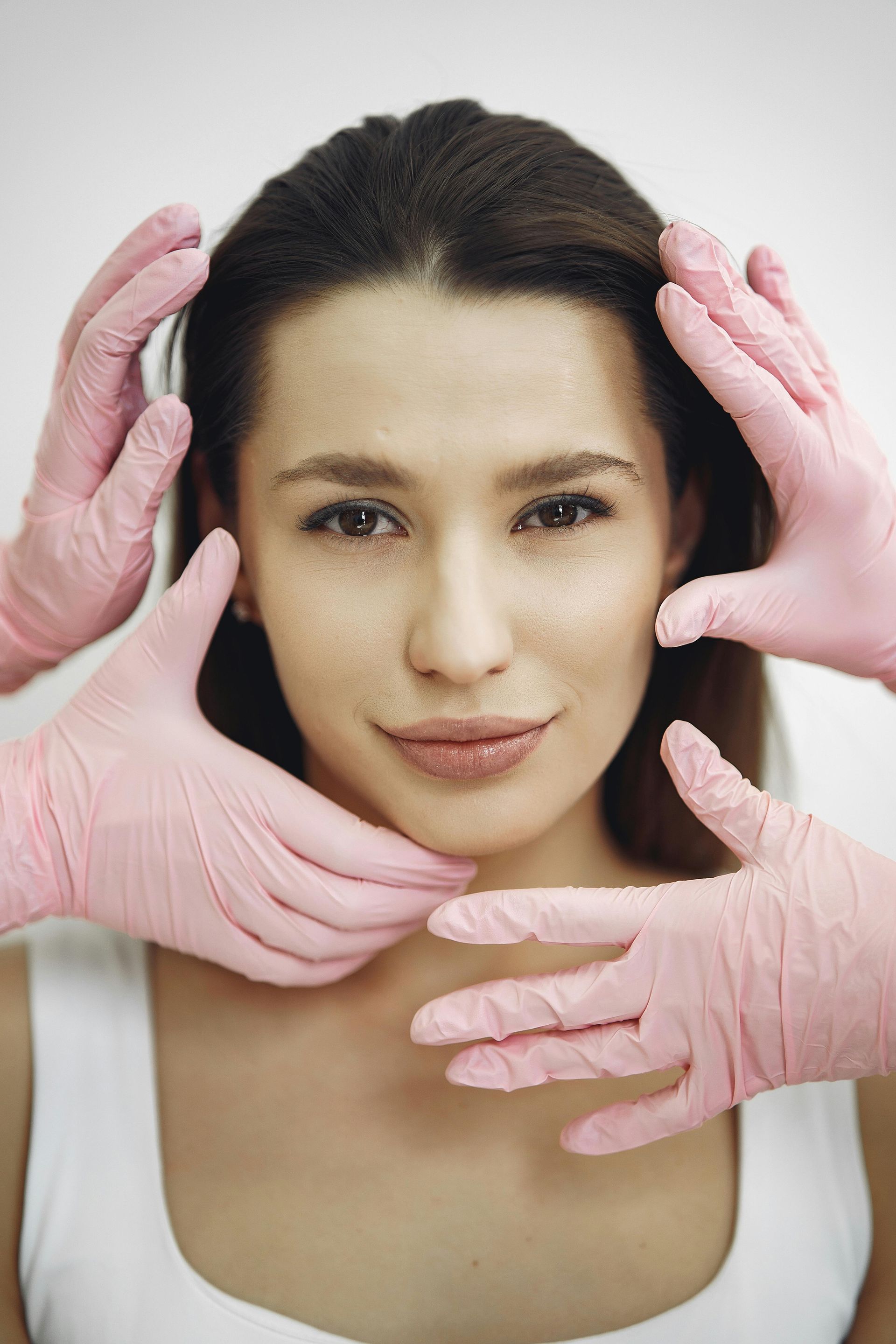
Did you know that after getting a neck lift in Fleming Island, FL, you will have a more youthful-looking neck?


A neck lift, also known as a lower rhytidectomy, is a surgical procedure that can help to improve the appearance of the neck.


The procedure involves getting rid of excess skin and fat, tightening the underlying muscles, and smoothing out wrinkles and creases.


This procedure is often sought out by those who are unhappy with the appearance of their neck due to factors such as aging, weight fluctuations, or genetics.


But before considering a neck lift, it's important to determine whether or not you are a good candidate for the procedure. To make things easier for you, we have written a neck lift procedure guide. Keep reading to find out more.


What the Procedure Involves


After your surgeon gives you anesthetic, they will make an incision under the chin or behind the ears. They will then use specialized tools to sculpt the neck area.


The procedure takes several hours. After it's complete, you will need to rest and take it easy for several days. It is also possible that you will experience some swelling and bruising.


You'll start to notice results within a few weeks, and the neck will appear smoother, firmer, and more youthful. And you won't need to worry about having a saggy neck.


You Need to Be Healthy


You need to be in good health to undergo neck lift surgery. This is because the skin under your chin needs to heal properly after the surgery in order to achieve optimal results.


If you have a medical condition that impairs healing, such as diabetes or an autoimmune disorder, your body may not be able to heal properly after the procedure.


Also, if you have poor overall health or are a smoker, your skin may not heal as well as it should. This can lead to complications such as infection or scarring.


You Need to Have Realistic Expectations


While the surgery can provide significant improvements in the appearance of the neck, it's important to remember that it is not a magical solution to all your aesthetic concerns.


By having realistic expectations and a clear understanding of the limitations and potential risks of the procedure, you can make an informed decision and achieve the best possible results.


Those who hold unrealistic expectations might be disappointed after their surgery.


You Need to Have the Appropriate Skin Laxity


Skin laxity is an important factor to consider when determining whether or not you are a good candidate for a neck lift procedure.


If you do not have the appropriate skin laxity around your neck area, a neck lift may be able to help improve its appearance.


Get a Neck Lift in Fleming Island, FL


Before making the decision to get a neck lift in Fleming Island, FL, you'll need to find out if you are a candidate for the procedure.


Ideal candidates are healthy, don't smoke, and are not heavy drinkers. It is also essential that you have the appropriate skin laxity.


Are you ready to get a neck lift? If so, we can help you. Don't hesitate to contact us to get started today!

April 30, 2026
In the high-stakes environment of executive leadership, risk management is a fundamental competency. When business professionals in the Greater Jacksonville area transition from the boardroom to the consultation room, that same commitment to due diligence must apply to their healthcare decisions. In the field of aesthetic and reconstructive surgery, the landscape is often clouded by marketing jargon that can obscure a provider’s true qualifications. For those seeking a board certified plastic surgeon in Fleming Island, understanding the benchmarks of surgical excellence is the first step in ensuring a successful outcome. Two credentials stand above the rest as the "gold standard" of professional integrity and clinical skill: Board Certification by the American Board of Plastic Surgery (ABPS) and the FACS designation. This intelligence report breaks down why these credentials are non-negotiable for anyone prioritizing safety and precision in their surgical journey. Defining the Standard: What Does FACS Mean? When researching a surgeon’s biography, you will frequently see the post-nominal initials "FACS" following their medical degree. What does FACS mean, and why is it a critical indicator of quality for patients in Northeast Florida? FACS stands for Fellow of the American College of Surgeons. This is not merely a membership one pays for; it is a prestigious designation that signifies the surgeon’s education, training, professional qualifications, surgical competence, and ethical conduct have passed a rigorous evaluation and have been found to be consistent with the high standards established and demanded by the College. To earn the FACS designation, a surgeon must: Graduate from an accredited medical school. Complete a rigorous residency program in a surgical specialty. Hold a current, full, and unrestricted license to practice medicine. Be Board Certified by a member board of the American Board of Medical Specialties (ABMS). Demonstrate a commitment to ethical practice and peer-reviewed clinical excellence. For the patient, "FACS" serves as a seal of approval from the largest professional organization of surgeons in the world. It provides an extra layer of governance, ensuring that your surgeon is held accountable to a global standard of care. The Critical Distinction of Board Certification While the term "board certified" is used frequently in medical advertising, it is often misunderstood. In the state of Florida, any licensed physician can legally perform "cosmetic" procedures. However, this does not mean they are a plastic surgeon. A board certified plastic surgeon in Fleming Island has undergone specific, exhaustive training that other practitioners—such as family doctors or emergency room physicians rebranded as "cosmetic surgeons"—simply have not. At Fleming Island Plastic Surgery, Dr. Wallace is a double board-certified plastic and general surgeon who specializes in both aesthetic and reconstructive procedures. The American Board of Plastic Surgery (ABPS) Requirement At Fleming Island Plastic Surgery, we emphasize that true Board Certification must come from the American Board of Plastic Surgery. This is the only board recognized by the American Board of Medical Specialties to certify surgeons in the full spectrum of plastic surgery of the face and the entire body. The requirements for ABPS certification include: 1. Extended Residency: At least six years of surgical training following medical school, with a minimum of three years specifically in plastic surgery residency. 2. Examination Rigor: Passing comprehensive written and oral exams that test clinical knowledge, problem-solving skills, and ethical judgment. 3. Case Reviews: A thorough review of the surgeon's actual surgical cases by a board of peers to ensure clinical outcomes meet safety benchmarks. Risk Mitigation: Ensuring Safe Plastic Surgery in Jacksonville For business professionals, time is a finite resource. Complications resulting from under-qualified providers not only pose health risks but also lead to significant professional "downtime" and the potential need for costly revision surgeries. Achieving safe plastic surgery in Jacksonville requires a proactive approach to provider selection. Facility Accreditation Safety extends beyond the surgeon to the environment where the procedure is performed. A board-certified surgeon with FACS designation will typically only operate in accredited facilities. This ensures that the surgical suite meets stringent standards for equipment, staffing, and emergency protocols. Anesthesia Selection Patient safety is heavily dependent on who is monitoring your vitals during a procedure. High-caliber plastic surgery practices utilize board-certified anesthesiologists or certified registered nurse anesthetists (CRNAs) to ensure that the physiological stress of surgery is managed with expert precision. Why Technical Expertise Matters for Aesthetic Outcomes Clinical safety and aesthetic excellence are inextricably linked. A surgeon who understands the deep anatomical structures—the hallmark of specialized plastic surgery training—is better equipped to deliver results that look natural and age gracefully. Whether you are considering a breast augmentation or a complex facial rejuvenation, the "FACS" and "Board Certified" designations indicate that your surgeon possesses the "surgical eye" and technical dexterity to handle the nuances of human tissue. This expertise allows for: Minimized Scarring: Advanced suturing techniques and incision placement. Structural Integrity: Ensuring that aesthetic changes do not compromise functional health. Predictable Recovery: Using evidence-based protocols to accelerate healing and reduce inflammation. The Role of Technology and Post-Operative Care Expertise is further demonstrated through the integration of advanced medical-grade treatments that support surgical results. At our practice, we often see patients who augment their surgical outcomes with high-performance skincare and non-invasive treatments. For example, understanding what a ZO Stimulator Peel and how it prepares the skin's lipid barrier can be a vital component of a comprehensive rejuvenation plan. A FACS-designated surgeon views the patient’s health holistically, combining surgical intervention with clinically proven topical therapies to maintain the investment made in one's appearance. Actionable Takeaways for the Discerning Patient If you are beginning the process of selecting a surgical partner, utilize the following checklist to ensure your choice aligns with executive-grade standards: 1. Verify Board Certification: Check the American Board of Plastic Surgery (ABPS) website to confirm your surgeon is specifically certified in plastic surgery. 2. Confirm Fellowship: Look for the "FACS" designation to ensure they meet the American College of Surgeons' ethical and clinical standards. 3. Review the Portfolio: Examine a wide range of before-and-after photos to ensure their aesthetic style aligns with your goals. 4. Inquire About Hospital Privileges: Even if your surgery is performed in a private suite, a qualified surgeon should have privileges to perform that same procedure at a local hospital. This is a key indicator of peer oversight. 5. Assess the Consultation: A professional consultation should focus on education and risk assessment, not "sales." Your surgeon should be transparent about what can realistically be achieved. Conclusion: Investing in Your Greatest Asset In the competitive professional landscape of Northeast Florida, maintaining an image of vitality and confidence is a strategic advantage. However, that advantage should never come at the expense of safety. Choosing a board certified plastic surgeon in Fleming Island who carries the FACS designation is a commitment to quality. It ensures that your care is guided by someone who has reached the pinnacle of surgical training and who operates under a strict code of ethics. At Fleming Island Plastic Surgery, we believe that education is the foundation of patient empowerment. We invite you to experience a standard of care where clinical rigor meets personalized aesthetic strategy.  Are you ready to discuss your goals with a surgeon who prioritizes your safety and long-term results? Contact Fleming Island Plastic Surgery today at 904-990-3477 to schedule a private consultation. Our team is dedicated to providing the executive-level care you deserve!
March 16, 2026
For the modern professional in Fleming Island, your image is often your first introduction. In executive environments and high-level social circles across Northeast Florida, a sharp, defined profile communicates vitality, fitness, and discipline. However, the natural aging process—exacerbated by Florida’s intense UV exposure—often manifests first in the delicate tissues of the neck and jawline. For many Gen X patients, the concern isn’t just the presence of laxity; it is the fear of looking “surgical.” At Fleming Island Plastic Surgery, we specialize in a sophisticated approach to neck lift Fleming Island patients trust: one that restores the crisp angles of youth without the tell-tale signs of an aggressive, over-tensioned procedure. Understanding the Anatomy of the Lower Face and Neck The "over-pulled" look is a relic of outdated surgical techniques that relied solely on pulling the skin tight. Modern facial rejuvenation focuses on the underlying structures. To achieve a natural result, a surgeon must address three primary components: The Platysma Muscle: This thin sheet of muscle covers the neck. Over time, it separates, creating vertical "bands." Adipose Tissue (Fat): Submental fat (the "double chin") can obscure the jawline even in fit individuals. Dermis (Skin): Loss of elastin and collagen leads to "turkey neck" or crepiness. By addressing these layers independently, we can reposition the anatomy to its original geographic location rather than simply stretching the surface. Neck Lift vs. Lower Facelift: Determining Your Path A common point of confusion for our patients in Fleming Island is the distinction between a lower facelift vs neck lift. While they are often performed in tandem to ensure facial harmony, they target distinct concerns. The Neck Lift: Focuses exclusively from the jawline down to the collarbone. It addresses muscle banding, submental fat, and skin laxity below the chin. The Lower Facelift: Focuses on the "jowl" area and the mid-face. If you have significant sagging along the jawline itself, a neck lift alone may leave a "disconnect" between a tight neck and heavy jowls. During your consultation at our Fleming Island facility, we utilize a comprehensive structural analysis to determine if jawline contouring FL strategies require a combined approach. For most Gen X professionals, a synchronized procedure offers the most seamless transition between the face and neck. The Strategy for Natural Jawline Contouring Achieving a refined profile requires a bespoke surgical plan. We do not believe in a "one-size-fits-all" tensioning pattern. For the active professional, the goal is a profile that looks refreshed in the boardroom and natural on the golf course. Submuscular Deep-Plane Techniques By working beneath the platysma muscle, we can provide structural support that lasts longer and looks more natural than skin-only lifts. This "deep-plane" mindset ensures that the tension is placed on the sturdy muscle layers, leaving the skin to drape softly and naturally over the new contours. Precision Liposculpting For many residents in the Fleming Island area, "fullness" under the chin is a genetic trait that persists despite a healthy lifestyle. High-definition liposculpting allows us to remove targeted fat deposits, revealing the underlying mandibular (jaw) bone. This creates the coveted "shadow" beneath the jawline that defines a youthful profile. Strategic Incision Placement Discretion is paramount. Incisions are meticulously placed behind the ear and within the natural creases of the skin. Once healed, these are virtually imperceptible, allowing patients to wear their hair back or go through professional engagements with total confidence. The Recovery: Tailored for the Busy Professional We understand that our patients in the Fleming Island area have demanding schedules. While a neck lift is a significant surgical event, the recovery process is highly manageable with proper planning. Week 1: Most patients experience mild swelling and bruising. Social "downtime" is typically 10 to 14 days. Week 2: Sutures are removed. Many professionals return to remote work or light office duties. Month 1: Residual swelling subsides, and the refined jawline begins to emerge clearly. To complement the surgical results, we often recommend medical-grade skincare. As noted in our internal data regarding the popular ZO® Stimulator Peel, maintaining the quality of the skin surface is essential for prolonging the results of any surgical intervention. A neck lift fixes the "drape," but high-quality skincare fixes the "fabric.” Why Local Expertise Matters Choosing a surgeon who understands the specific lifestyle of Northeast Florida is vital. Our patients are often outdoors, enjoying the coastal lifestyle of Fleming Island. This means we must account for skin that may have more solar damage than average, requiring a more nuanced approach to tissue handling and post-operative care. At Fleming Island Plastic Surgery, we blend clinical excellence with an aesthetic eye tailored to the sophisticated Gen X demographic. We prioritize safety, HIPAA-compliant care, and, above all, results that look like you—only more rested. Actionable Takeaways for Prospective Patients Audit Your Profile: Look at your shadow in profile view. If the angle between your chin and neck is greater than 90 degrees, you may be a candidate for contouring. Assess the Jowls: Pinch the skin along your jawline. If there is significant "falling" near the mouth, ask your surgeon about the benefits of a lower facelift vs neck lift. Plan Your Window: Schedule your procedure at least 4–6 weeks before major professional summits or social galas to ensure you are "camera-ready.” Secure Your Consultation Defining your profile is an investment in your personal brand and self-confidence. If you are ready to explore how a neck lift in Fleming Island can restore your jawline without looking "over-done," we invite you to take the next step. Fleming Island Plastic Surgery provides an executive-grade environment where your goals are met with surgical precision. View Our Before & After Gallery or contact us today at 904-990-3477 to schedule your private consultation with our expert surgical team.
February 13, 2026
Deciding when it’s time for a facelift isn’t about age — it’s about skin laxity, facial structure changes, and how you feel about them . Here’s how to tell if you might be a good candidate. You Notice Sagging (Not Just Wrinkles) Facelifts treat loose, sagging skin and descended facial tissue — not fine lines. Signs include: Jowls forming along the jawline Deep nasolabial folds (smile lines) Marionette lines pulling down from the mouth Loose skin in the lower cheeks Loss of jawline definition Turkey neck / hanging neck skin If your concern is mainly surface wrinkles, lasers or Botox may be better. Fillers Aren’t Giving the Same Results Anymore Many people in their late 30s–50s start with fillers. But when: You need more and more filler Your face starts looking “puffy” instead of lifted The sagging still shows even after volume correction That’s often a sign gravity — not volume loss — is the main issue. A facelift repositions tissue instead of just filling it. Your Jawline and Neck Bother You Most A classic sign it may be time is when you: Avoid side-profile photos Notice your neck aging faster than your face Feel your lower face doesn’t match how young you feel Facelifts (especially lower facelift + neck lift) are very effective for this area. You’re Usually Between 40–65 Most facelift patients are: Early 40s → subtle early lift 50s → most common age 60s → more advanced correction Younger than 40? Often better candidates for: Mini lift Skin tightening Energy-based devices Older than 70? Still possible if you’re healthy. You’re Emotionally Ready (This Matters) A facelift is right when: You want longer-lasting results (8–15 years) You’re okay with 2–4 weeks of recovery You want structural improvement, not temporary tweaks You’re doing it for yourself — not pressure from someone else What a Facelift Actually Fixes It improves: Sagging cheeks Jowls Jawline definition Neck laxity Deep folds It does NOT: Fix under-eye hollows (blepharoplasty is separate) Remove all wrinkles Change your fundamental facial features When It’s Probably NOT Time You only have fine lines Your skin is still firm when you smile You can correct concerns with skincare or light treatments You want zero downtime If now is not the time for a facelift, Attiva may be the answer for you. Attiva is a minimally invasive treatment that uses radiofrequency (RF) energy beneath the skin to heat tissue and stimulate collagen and elastin production. A tiny micro-cannula is inserted under the skin to deliver controlled RF energy, which helps tighten tissue and promote collagen remodeling. Over time, skin becomes firmer and slightly lifted, with results continuing to improve over 2–6 months as new collagen forms. Common treatment areas include: Jawline and jowls Neck Double chin Lower face Eyelids and brow area Attiva can improve skin tightness and give a subtle lift. It’s best viewed as a “mini improvement” or maintenance treatment, not a full facelift replacement. To find the right procedure for you, come in and see Dr. Wallace at Fleming Island Plastic Surgery. Call us at 904-990-3477 and schedule your consultation today!
January 28, 2026
Breast implants do not have a fixed expiration date , but they are not considered lifetime devices . Replacement depends on problems, preferences, or medical findings rather than a set schedule. Here’s how it generally breaks down: General rule (both silicone & saline) No routine replacement is required if you have no symptoms or complications Many implants last 10–20 years or longer The chance of needing replacement increases over time , especially after the 10-year mark Common reasons for replacement include rupture, capsular contracture, cosmetic changes, pain, or patient preference. Silicone implants Replacement frequency Often last 15–20+ years Replacement is not automatic unless there’s a problem Monitoring Silicone ruptures can be “silent” (no obvious symptoms) Current FDA guidance recommends: Ultrasound or MRI starting 5–6 years after placement Then every 2–3 years after that Imaging helps detect silent rupture When replacement is recommended: Confirmed rupture Significant capsular contracture Shape/size changes Pain or inflammation Patient preference Saline implants Replacement frequency Similar lifespan: 10–20+ years Rupture is usually obvious (rapid deflation) Monitoring No routine imaging needed Deflation is visible and felt, so problems are noticed quickly When replacement is recommended: Deflation or rupture Cosmetic concerns Capsular contracture or discomfort Patient preference Important notes for both types Implants do not need to be replaced every 10 years by default (a common myth) Many people keep implants well beyond 20 years without issues Replacement surgery may involve: Implant exchange Removal only Capsulectomy (scar tissue removal), if needed When to see your surgeon New breast pain, firmness, swelling, or asymmetry Visible size or shape changes Before major life changes (pregnancy, significant weight loss) For routine check-ins every few years, even if asymptomatic If you are considering breast revision surgery come see Dr. Wallace at Fleming Island Plastic Surgery. From the initial consultation through the final follow-up, the practice emphasizes clear communication and patient education, ensuring individuals feel informed, confident, and supported at every stage. So, call us at 904-990-3477 and schedule your consultation today!
December 2, 2025
Losing a significant amount of weight is a major achievement. But many people are surprised to find that rapid or substantial weight loss can leave behind loose or excess skin. This is not only a cosmetic concern; it can affect comfort, confidence, and even physical health. Your skin is a living organ that stretches over time to accommodate changes in body size. When weight gain happens gradually, the skin expands along with fat tissue. But when weight is lost quickly or significantly, the skin doesn’t always have the elasticity to shrink back to its previous form. GLP-1 receptor agonists (such as Wegovy, Ozempic, or Mounjaro) often produce steady, medically guided weight loss. While the process is typically slower than surgical weight loss, many users still experience loose skin—especially if they lose a significant percentage of their starting weight. Unlike surgery, GLP-1s don’t physically remove fat instantly; however, the total weight lost is often large enough to impact skin tension.  Body contouring has become an increasingly popular way to refine your shape, address stubborn areas, and enhance confidence. With advancements in aesthetic medicine, there are now both surgical and non-surgical options designed to help you achieve smoother, tighter, and more sculpted body lines—without depending solely on diet or exercise. Below is a comprehensive overview of how each approach works, who it’s best for, and what results you can expect. What Is Body Contouring? Body contouring refers to cosmetic treatments that reshape areas of the body by reducing unwanted fat, tightening loose skin, or improving muscle definition. These treatments fall into two main categories: Surgical body contouring – involves incisions and anesthesia, providing more dramatic changes. Non-surgical body contouring – uses energy-based or minimally invasive methods to gradually improve shape with little to no downtime. Both options offer unique benefits depending on your goals and lifestyle. Surgical Body Contouring Surgical body contouring is ideal for individuals who desire significant, long-lasting reshaping or who have concerns that cannot be adequately addressed through less invasive methods. What It Involves Surgical body contouring typically includes the removal of excess fat and/or skin, tissue tightening, and reshaping specific areas of the body. These procedures can address multiple regions at once or focus on a single target area such as the abdomen, arms, legs, or midsection. Benefits Produces the most noticeable and immediate transformations Effectively treats loose or stretched skin Offers long-term results when paired with a stable lifestyle Ideal Candidates Individuals with significant skin laxity Those who have experienced major weight loss or post-pregnancy changes Patients seeking pronounced sculpting rather than subtle refinement Recovery Surgical procedures involve a longer healing period. Patients can expect swelling, temporary activity restrictions, and the need to follow detailed post-operative instructions to ensure optimal results. Non-Surgical Body Contouring Non-surgical options are best for people who want subtle to moderate improvements without surgery, incisions, or prolonged downtime. What It Involves These treatments use controlled energy sources—such as heat, cold, sound waves, or muscle-stimulating technology—to reduce fat, tighten skin, or enhance muscle tone. Sessions are typically quick, well-tolerated, and allow patients to resume normal activities the same day. Benefits Noninvasive or minimally invasive Little to no downtime Gradual, natural-looking improvements Suitable for many body types and lifestyle levels Ideal Candidates Those already near their ideal weight but seeking refinement Patients with mild to moderate skin looseness Individuals looking for convenience and low-risk treatment Results Outcomes develop gradually over several weeks as the body naturally processes and reshapes treated areas. Multiple sessions may be recommended for the best results. Choosing the Right Approach Deciding between surgical and non-surgical body contouring depends on your specific concerns, goals, and expectations. Consider surgical body contouring if you: Want dramatic reshaping Have significant loose skin or muscle laxity Don’t mind a longer recovery period Consider non-surgical body contouring if you: Prefer minimal downtime Want subtle, progressive enhancement Are close to your desired weight but need targeted refinement Final Thoughts Body contouring—whether surgical or non-surgical—offers effective ways to enhance your natural shape and boost your confidence. The best way to determine which option is right for you is to consult with a qualified plastic surgeon who can assess your goals, anatomy, and lifestyle. At Fleming Island Plastic Surgery, Dr. William Wallace and his team embrace the Live Beautiful Lifestyle, focusing on overall well-being as well as physical transformation. Understanding that every patient’s journey is unique, Dr. Wallace creates personalized treatment plans and prioritizes open communication and education from consultation through recovery, ensuring patients feel informed and empowered throughout their experience. So, why wait! Call us at 904-990-3477 and schedule your consultation today!
November 25, 2025
If you already like your breast size , the main question becomes whether your concern is shape/position or fullness . Here’s the simplest way to tell whether you’d benefit more from a breast lift or augmentation when you don’t want to be bigger. You May Prefer a Breast Lift if you notice: Your nipples sit at or below the breast crease, or even worse, point to the floor. This is the biggest indicator. If the nipple is level with or lower than the crease, the breast has dropped. An augmentation won’t fix that—it can actually make sagging more noticeable. Your breasts look saggy or “deflated” when unsupported A lift tightens and reshapes the breast without increasing size. Your nipples point slightly downward Implants don’t change nipple direction. A lift repositions them. You’re happy with your size but want them perkier A lift is designed exactly for this. You May Prefer a Breast Augmentation (even if you like your size) if you notice: You want more upper-pole fullness If you like your current size but wish the top of your breasts looked rounder or fuller (especially after pregnancy or weight loss), a small implant can restore that without making you “big.” Your breasts are not saggy—you just want a more youthful shape If nipple position is good and you like your size, a modest implant can enhance shape. You feel you look smaller in clothes than you’d like Some people like their size when naked but want more proportion in tops or swimwear. Implants enlarge; lifts restore "perkiness". There may be an incidental improvement on nipple position, particularly with larger implants, but this in not a reason to go larger than desired. The At-Home “Nipple Crease” Check A very reliable indicator: Nipple above the crease → Augmentation might enhance shape Nipple at the crease → Borderline → Many surgeons recommend a lift Nipple below the crease → Lift recommended (with or without a small implant) So, come see us at Fleming Island Plastic Surgery . Dr. Wallace helps numerous women every year to achieve their cosmetic goals. He is a double board-certified plastic and general surgeon who specializes in both aesthetic and reconstructive procedures. Don’t Wait, call us today at 904-990-3477 !
October 1, 2025
In today’s image-conscious world, the demand for non-surgical cosmetic procedures has skyrocketed. From subtle enhancements to age-defying treatments, these minimally invasive options offer impressive results without the downtime, scars, or risks associated with traditional surgery. Whether you’re new to aesthetic treatments or exploring alternatives to going under the knife, this blog breaks down the most popular non-surgical procedures, their benefits, and what to expect. Why Non-Surgical Procedures Are So Popular Non-surgical cosmetic treatments have become a go-to solution for people seeking to improve their appearance with less commitment. Here’s why they’ve gained popularity: Minimal downtime Lower cost than surgery Quick treatments (often under an hour) Natural-looking results Lower risk of complications Little to no scars Top Non-Surgical Cosmetic Procedures  Botox and Other Neuromodulators Botox remains one of the most popular treatments for dynamic wrinkles caused by facial expressions. It works by relaxing targeted muscles, softening frown lines, crow’s feet, and forehead lines. Other brands like Dysport and Xeomin offer similar results. Best for: Wrinkle reduction, brow lift, jawline slimming Dermal Fillers Hyaluronic acid-based fillers (like Juvederm and Restylane) are used to restore lost volume and contour the face. Results are immediate and can last 6–18 months, depending on the product and area treated. Best for: Volume loss, lip enhancement, cheekbones, nasolabial folds Chemical Peels Chemical peels use acids like glycolic, salicylic, or TCA to exfoliate the top layers of skin, revealing smoother, more even-toned skin underneath. They vary in strength and downtime. Best for: Skin texture, pigmentation, acne scars Microneedling (with or without PRP) Microneedling creates micro-injuries in the skin to stimulate collagen production. Adding Platelet-Rich Plasma (PRP)—sometimes called the "vampire facial"—can accelerate healing and boost results. Best for: Fine lines, scars, enlarged pores, overall skin rejuvenation ATTIVA A minimally invasive radiofrequency (RF) treatment. A tiny probe goes under the skin and heats the tissue to tighten loose skin and stimulate new collagen. ATTIVA is for deeper, under-the-skin tightening. One of the greatest advantages of ATTIVA® treatment is the minimal downtime. Best for: Face, neck, body, and sagging areas. Plasma IQ A plasma pen treatment. It creates tiny dots on the surface of the skin to trigger healing and collagen production. Plasma IQ is surface-level tightening (especially around the eyes). Best for: E yelid tightening, fine lines, wrinkles, and small blemishes. Are These Treatments Safe? When performed by qualified professionals in a sterile, clinical environment, non-surgical cosmetic procedures are generally safe. However, always ensure that: The provider is licensed and experienced. They use FDA-approved products. A consultation is done to assess your skin type, goals, and medical history. Contact Fleming Island Plastic Surgery at 904-990-3477 and take the first step toward a more confident you!
September 17, 2025
Motherhood is one of life’s most beautiful journeys — but it can also leave behind lasting changes to a woman’s body. For many moms, the physical effects of pregnancy, childbirth, and breastfeeding don’t always bounce back with time or exercise. That’s where a Mommy Makeover comes in. This transformative procedure is helping thousands of women restore their confidence by reclaiming their pre-baby bodies. But what exactly is a mommy makeover, and is it right for you? Let’s break it down. What Is a Mommy Makeover? A Mommy Makeover isn’t one single procedure — it’s a customized combination of cosmetic surgeries designed to address the areas most commonly affected by pregnancy. These typically include the breasts, abdomen, waist, but sometimes includes arms, buttocks or thighs.. The goal? To help you feel like yourself again — or even better. Common Procedures Included: Breast Augmentation (implants) or Breast Lift : To restore volume or lift sagging breasts after breastfeeding. Tummy Tuck (Abdominoplasty) : Removes excess skin and tightens abdominal muscles weakened by pregnancy. Liposuction : Targets stubborn fat deposits in areas like the waist, hips, or thighs. Stretch Mark Treatment : In some cases, laser therapy or skin resurfacing may be recommended. Each makeover is tailored to your individual goals and body type — it’s not a one-size-fits-all solution. Who Is a Good Candidate? A mommy makeover is ideal for women who: Have completed their family and don’t plan on future pregnancies Are in good physical health and at a stable weight Are nonsmokers (or willing to quit before and after surgery) Have realistic expectations about the results Have waited adequate time after childbirth or breastfeeding It's important to give your body time to heal naturally before considering surgery. What’s Recovery Like? Recovery varies depending on the procedures performed, but here’s a general idea: Initial downtime : Expect 2–3 weeks of rest. You’ll need help at home, especially with small children. Swelling and soreness : Common in the first few weeks, managed with pain medication and compression garments. No heavy lifting : Including kids, for about 4–6 weeks. Full recovery : Typically takes 3–6 months for final results to settle in. Always follow your surgeon’s post-op care instructions closely. Is It Worth It? For many women, the answer is a resounding yes . A mommy makeover doesn’t just change your body — it can improve your self-esteem, help you feel more comfortable in your skin, and allow you to enjoy life without constantly thinking about how your body has changed. But remember, surgery is a deeply personal choice. Take your time, do your research, and choose a board-certified plastic surgeon with extensive experience in mommy makeovers. Being a mom doesn’t mean you have to give up feeling confident and sexy in your own skin. A mommy makeover can be a powerful way to honor both your body and your journey through motherhood. If you’re considering it, consult with a trusted plastic surgeon to explore your options and create a plan that’s right for you. Your body gave you something amazing — maybe it’s time to give something back to yourself. Ready to take the next step? Always schedule a consultation with a qualified plastic surgeon to get professional advice tailored to your unique needs and goals. At Fleming Island Plastic Surgery, Dr. William Wallace is board certified in both plastic surgery and general surgery. You couldn't be in better hands. So, why wait? Call us at 904-990-3477 and schedule your consultation today?
August 21, 2025
Your eyes are often the first thing people notice about you — but what if drooping eyelids or under-eye bags are sending the wrong message? Whether you're looking to refresh your appearance or correct vision issues caused by sagging eyelids, blepharoplasty (eyelid surgery) may be the solution. What Is Blepharoplasty? Blepharoplasty is a surgical procedure that removes excess skin, muscle, and sometimes fat from the upper or lower eyelids. It's commonly done for: Cosmetic reasons – to reduce signs of aging, puffiness, or tired-looking eyes. Medical reasons – to improve vision obstructed by drooping eyelids (especially upper lids). The procedure can be performed on the upper eyelids , lower eyelids , or both, depending on your needs. Who Is a Good Candidate? You might consider blepharoplasty if you have: Droopy, sagging upper eyelids Puffy bags under your eyes Excess skin interfering with vision A tired, aged, or "sad" appearance around the eyes Good candidates are generally healthy, non-smokers, and have realistic expectations about the outcome. What to Expect From the Procedure Before Surgery: You’ll consult with a board-certified plastic surgeon or ophthalmologist who specializes in eyelid surgery. They’ll assess your facial structure, medical history, and goals. During Surgery: Typically takes 1–2 hours Upper eyelid surgery can be performed under local anesthesia and lower or both upper and lower eyelid surgeries are performed under general anesthesia Small incisions are made along natural eyelid creases to minimize visible scarring Excess tissue is removed or repositioned Recovery: Swelling and bruising for the first 1–2 weeks Cold compresses and eye ointment may be used Most people return to work in 7–10 days Final results become more apparent after a few weeks Risks and Considerations Like any surgery, blepharoplasty has potential risks, including: Infection or bleeding Dry or irritated eyes Temporary blurred vision Difficulty closing eyes (rare) Scarring or asymmetry Choosing an experienced, qualified surgeon greatly reduces these risks. Results and Benefits ✅ Brighter, more youthful appearance ✅ Improved field of vision (for functional blepharoplasty) ✅ Boosted confidence and self-esteem ✅ Long-lasting results – many enjoy benefits for 5–10+ years Blepharoplasty vs. Non-Surgical Options If you're not ready for surgery, there are non-surgical treatments like Botox, fillers, or laser resurfacing that can help tighten the skin around the eyes. However, they can’t remove excess skin or fat and results are temporary. For more dramatic and lasting improvements, blepharoplasty remains the gold standard . Blepharoplasty is a safe and effective way to rejuvenate your eyes and enhance both your appearance and quality of life. Whether you're tired of looking tired or need help with vision impairment, this procedure can offer transformative results with minimal downtime. If you’re considering eyelid surgery, schedule a consultation with Dr. William Wallace at Fleming Island Plastic Surgery, a skilled surgeon who has expertise with eyelid surgery. So, why wait, call us at 904-990-3477 !
July 29, 2025
Deciding between liposuction and a tummy tuck (abdominoplasty) depends on your goals, your body, and what kind of results you're looking for. Here's a clear breakdown to help you figure out which might be right for you: Liposuction — Best for fat removal only Good for: P eople with good skin elasticity who have localized fat deposits (like love handles or a belly pooch) but no significant loose skin or muscle separation. What it does: Removes fat through suction, using small incisions and a cannula. Does not address: Loose or sagging skin, stretch marks, or abdominal muscle separation. Downtime: Typically 1–2 weeks of recovery. Scarring: Minimal, small incisions. You might be a good candidate if : You’re close to your ideal weight Your skin is firm and elastic You mainly want to contour and remove stubborn fat pockets Tummy Tuck (Abdominoplasty) — Best for loose skin and muscle tightening Good for: People with loose, stretched skin, especially after pregnancy or major weight loss, and/or abdominal muscle separation (diastasis recti). What it does: Removes excess skin and fat, and tightens abdominal muscles. Often includes repositioning the belly button. Addresses: Sagging skin, weak or separated abdominal muscles, stretch marks (in some cases). Downtime: 2–6 weeks for recovery; more invasive. Scarring: Longer scar, typically from hip to hip, but can be hidden below the underwear line. You might be a good candidate if : You’ve had kids or lost a lot of weight You have loose or sagging skin on your belly Your abdominal muscles feel weak or protrude Combo Procedures Sometimes, both are done together — especially if there’s excess fat and loose skin. This is common in mommy makeovers or post-weight loss body contouring. If you are considering liposuction or a tummy tuck look no further than Fleming Island Plastic Surgery. Dr. William Wallace is a double board-certified plastic and general surgeon. He offers the latest nonsurgical and cosmetic surgery treatments for his patients. At Fleming Island Plastic Surgery they understand that each patient’s journey is unique. From the initial consultation to the final follow-up, the practice prioritizes open communication and education. So, don't wait any longer. Give us a call at 904-990-3477 and schedule your consultation today!