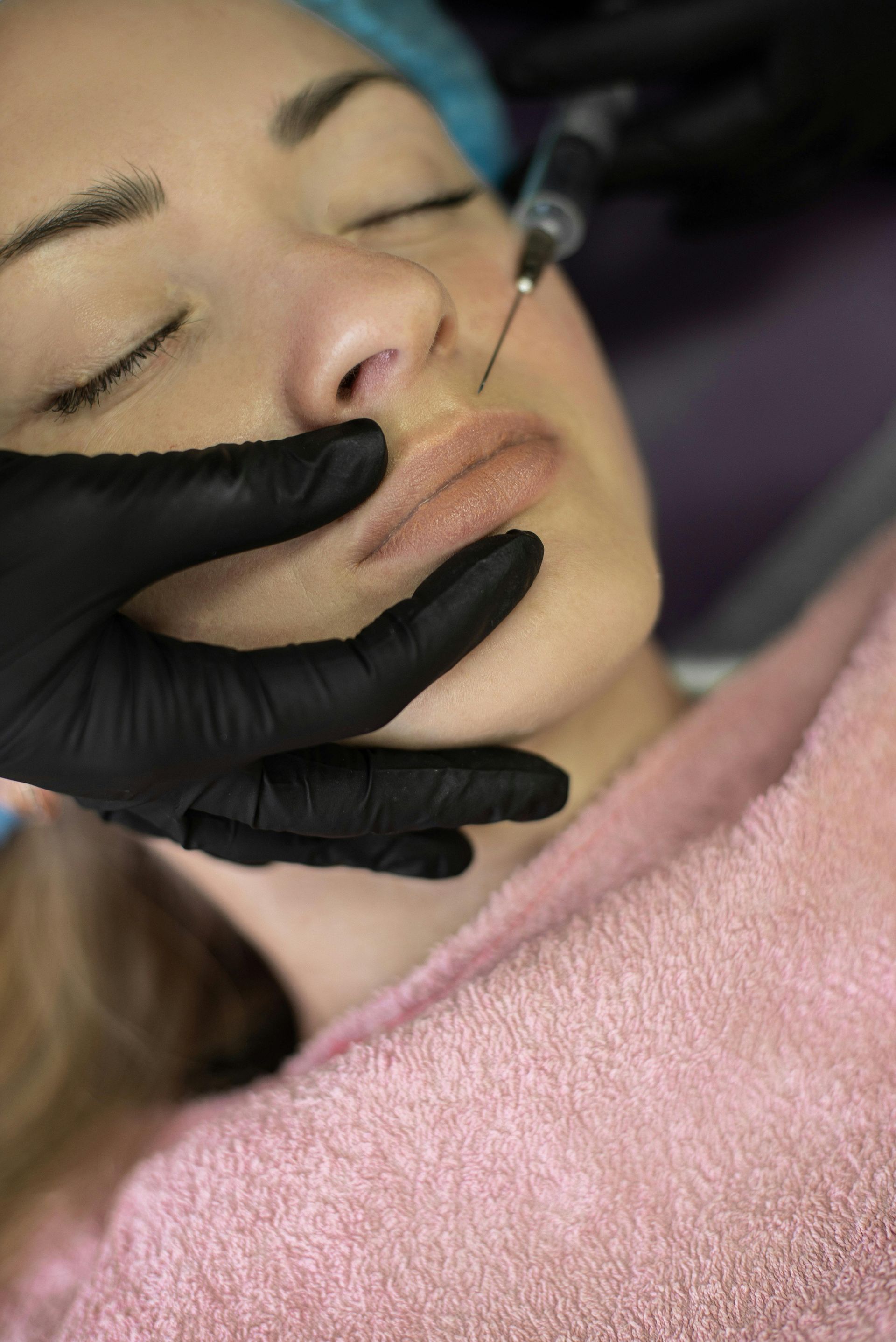
Facelift...Is It Time?

Deciding when it’s time for a facelift isn’t about age — it’s about skin laxity, facial structure changes, and how you feel about them. Here’s how to tell if you might be a good candidate.
You Notice Sagging (Not Just Wrinkles)
Facelifts treat loose, sagging skin and descended facial tissue — not fine lines.
Signs include:
- Jowls forming along the jawline
- Deep nasolabial folds (smile lines)
- Marionette lines pulling down from the mouth
- Loose skin in the lower cheeks
- Loss of jawline definition
- Turkey neck / hanging neck skin
If your concern is mainly surface wrinkles, lasers or Botox may be better.
Fillers Aren’t Giving the Same Results Anymore
Many people in their late 30s–50s start with fillers. But when:
- You need more and more filler
- Your face starts looking “puffy” instead of lifted
- The sagging still shows even after volume correction
That’s often a sign gravity — not volume loss — is the main issue. A facelift repositions tissue instead of just filling it.
Your Jawline and Neck Bother You Most
A classic sign it may be time is when you:
- Avoid side-profile photos
- Notice your neck aging faster than your face
- Feel your lower face doesn’t match how young you feel
Facelifts (especially lower facelift + neck lift) are very effective for this area.
You’re Usually Between 40–65
Most facelift patients are:
- Early 40s → subtle early lift
- 50s → most common age
- 60s → more advanced correction
Younger than 40? Often better candidates for:
- Mini lift
- Skin tightening
- Energy-based devices
Older than 70? Still possible if you’re healthy.
You’re Emotionally Ready (This Matters)
A facelift is right when:
- You want longer-lasting results (8–15 years)
- You’re okay with 2–4 weeks of recovery
- You want structural improvement, not temporary tweaks
- You’re doing it for yourself — not pressure from someone else
What a Facelift Actually Fixes
It improves:
- Sagging cheeks
- Jowls
- Jawline definition
- Neck laxity
- Deep folds
It does NOT:
- Fix under-eye hollows (blepharoplasty is separate)
- Remove all wrinkles
- Change your fundamental facial features
When It’s Probably NOT Time
- You only have fine lines
- Your skin is still firm when you smile
- You can correct concerns with skincare or light treatments
- You want zero downtime
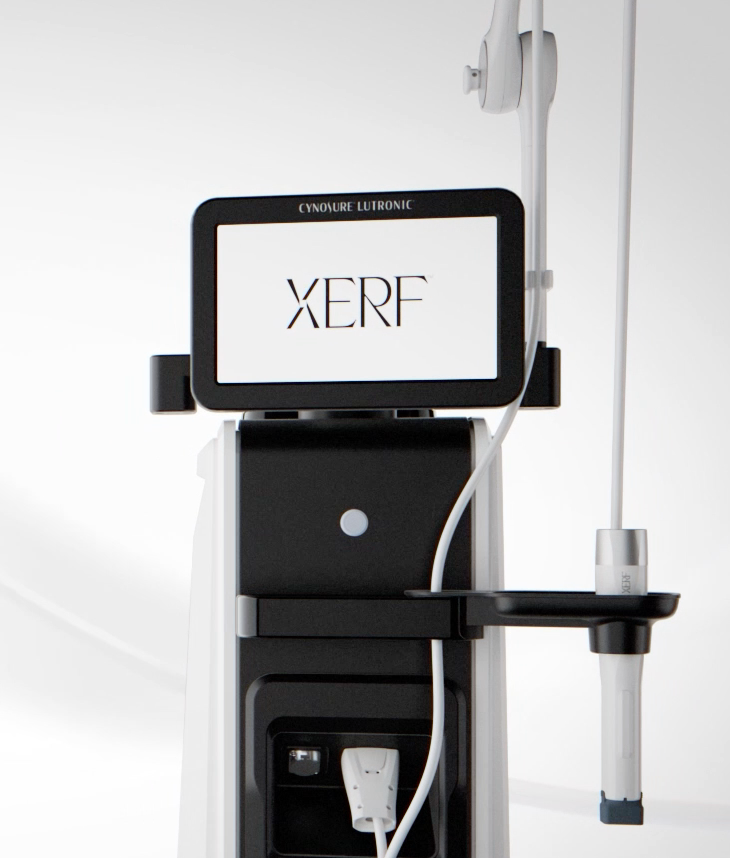
If now is not the time for a facelift, Attiva may be the answer for you. Attiva is a minimally invasive treatment that uses radiofrequency (RF) energy beneath the skin to heat tissue and stimulate collagen and elastin production. A tiny micro-cannula is inserted under the skin to deliver controlled RF energy, which helps tighten tissue and promote collagen remodeling. Over time, skin becomes firmer and slightly lifted, with results continuing to improve over 2–6 months as new collagen forms. Common treatment areas include:
- Jawline and jowls
- Neck
- Double chin
- Lower face
- Eyelids and brow area
Attiva can improve skin tightness and give a subtle lift. It’s best viewed as a “mini improvement” or maintenance treatment, not a full facelift replacement. To find the right procedure for you, come in and see Dr. Wallace at Fleming Island Plastic Surgery. Call us at 904-990-3477 and schedule your consultation today!



Choosing Clinical Excellence: Why the FACS Designation and Board Certification Define Patient Safety