A Complete Guide to Surgical and Non-Surgical Body Contouring
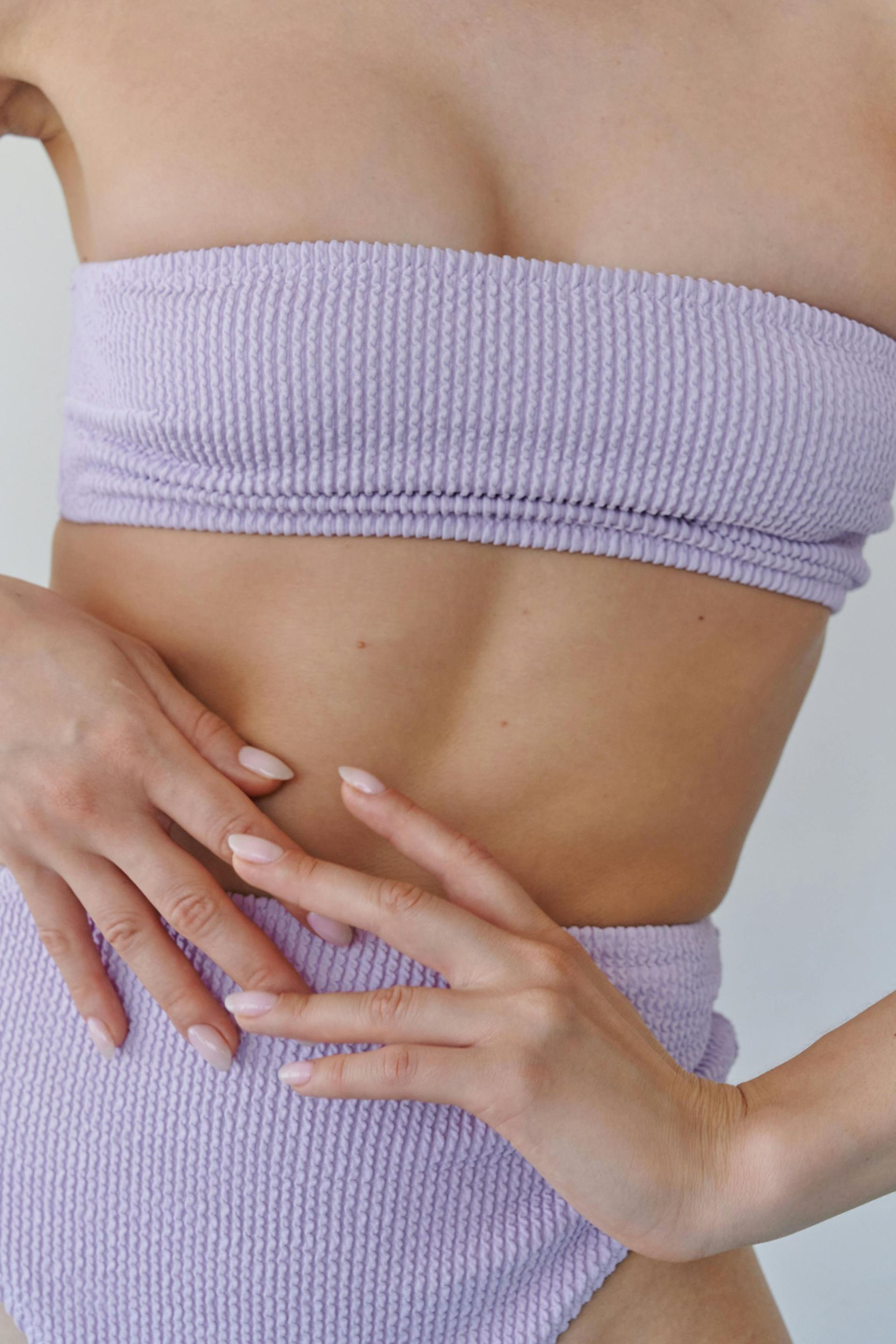
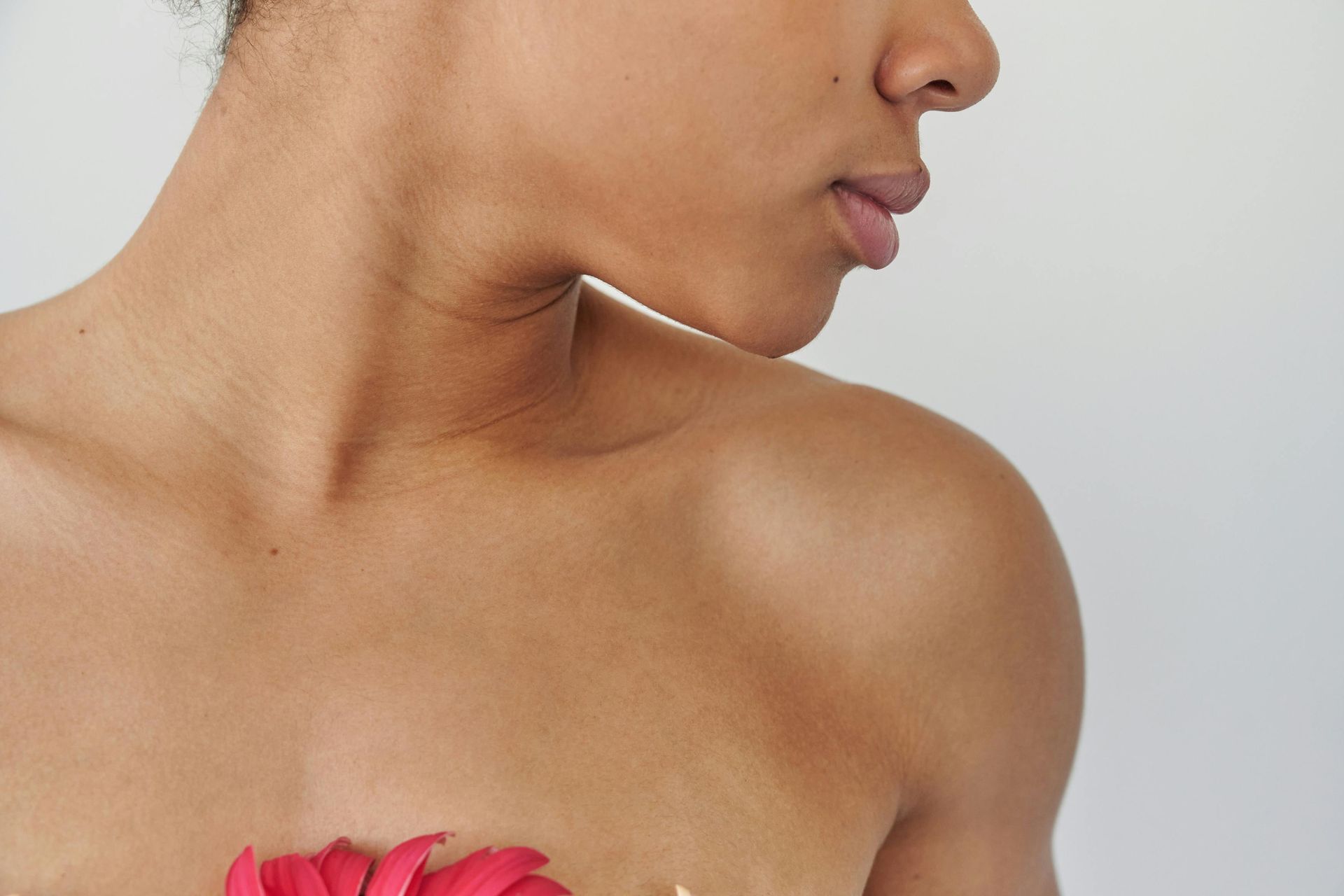
Losing a significant amount of weight is a major achievement. But many people are surprised to find that rapid or substantial weight loss can leave behind loose or excess skin. This is not only a cosmetic concern; it can affect comfort, confidence, and even physical health. Your skin is a living organ that stretches over time to accommodate changes in body size. When weight gain happens gradually, the skin expands along with fat tissue. But when weight is lost quickly or significantly, the skin doesn’t always have the elasticity to shrink back to its previous form. GLP-1 receptor agonists (such as Wegovy, Ozempic, or Mounjaro) often produce steady, medically guided weight loss. While the process is typically slower than surgical weight loss, many users still experience loose skin—especially if they lose a significant percentage of their starting weight. Unlike surgery, GLP-1s don’t physically remove fat instantly; however, the total weight lost is often large enough to impact skin tension.
Body contouring has become an increasingly popular way to refine your shape, address stubborn areas, and enhance confidence. With advancements in aesthetic medicine, there are now both surgical and non-surgical options designed to help you achieve smoother, tighter, and more sculpted body lines—without depending solely on diet or exercise. Below is a comprehensive overview of how each approach works, who it’s best for, and what results you can expect.
What Is Body Contouring?
Body contouring refers to cosmetic treatments that reshape areas of the body by reducing unwanted fat, tightening loose skin, or improving muscle definition. These treatments fall into two main categories:
- Surgical body contouring – involves incisions and anesthesia, providing more dramatic changes.
- Non-surgical body contouring – uses energy-based or minimally invasive methods to gradually improve shape with little to no downtime.
Both options offer unique benefits depending on your goals and lifestyle.
Surgical Body Contouring
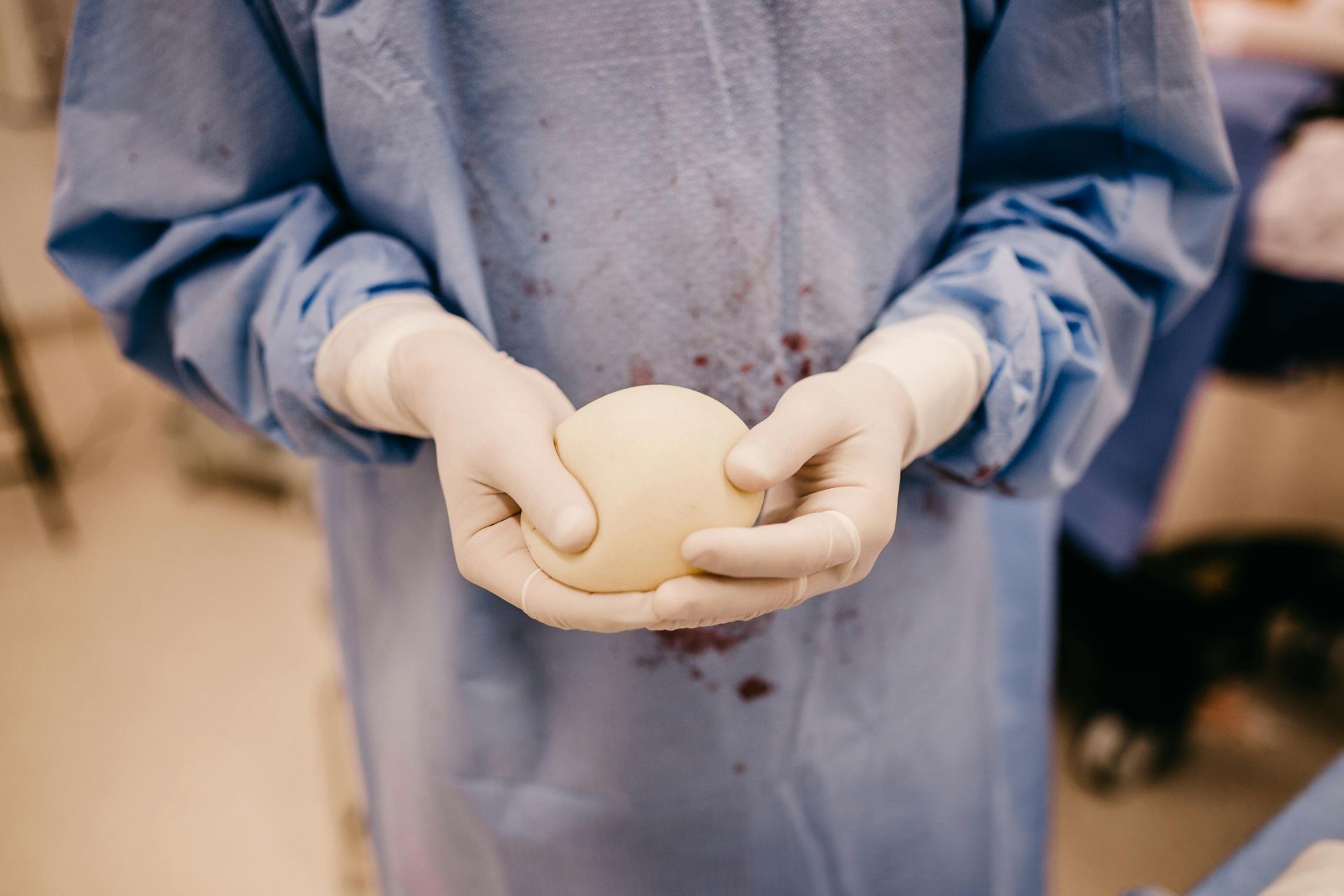
Surgical body contouring is ideal for individuals who desire significant, long-lasting reshaping or who have concerns that cannot be adequately addressed through less invasive methods.
What It Involves
Surgical body contouring typically includes the removal of excess fat and/or skin, tissue tightening, and reshaping specific areas of the body. These procedures can address multiple regions at once or focus on a single target area such as the abdomen, arms, legs, or midsection.
Benefits
- Produces the most noticeable and immediate transformations
- Effectively treats loose or stretched skin
- Offers long-term results when paired with a stable lifestyle
Ideal Candidates
- Individuals with significant skin laxity
- Those who have experienced major weight loss or post-pregnancy changes
- Patients seeking pronounced sculpting rather than subtle refinement
Recovery
Surgical procedures involve a longer healing period. Patients can expect swelling, temporary activity restrictions, and the need to follow detailed post-operative instructions to ensure optimal results.
Non-Surgical Body Contouring
Non-surgical options are best for people who want subtle to moderate improvements without surgery, incisions, or prolonged downtime.
What It Involves
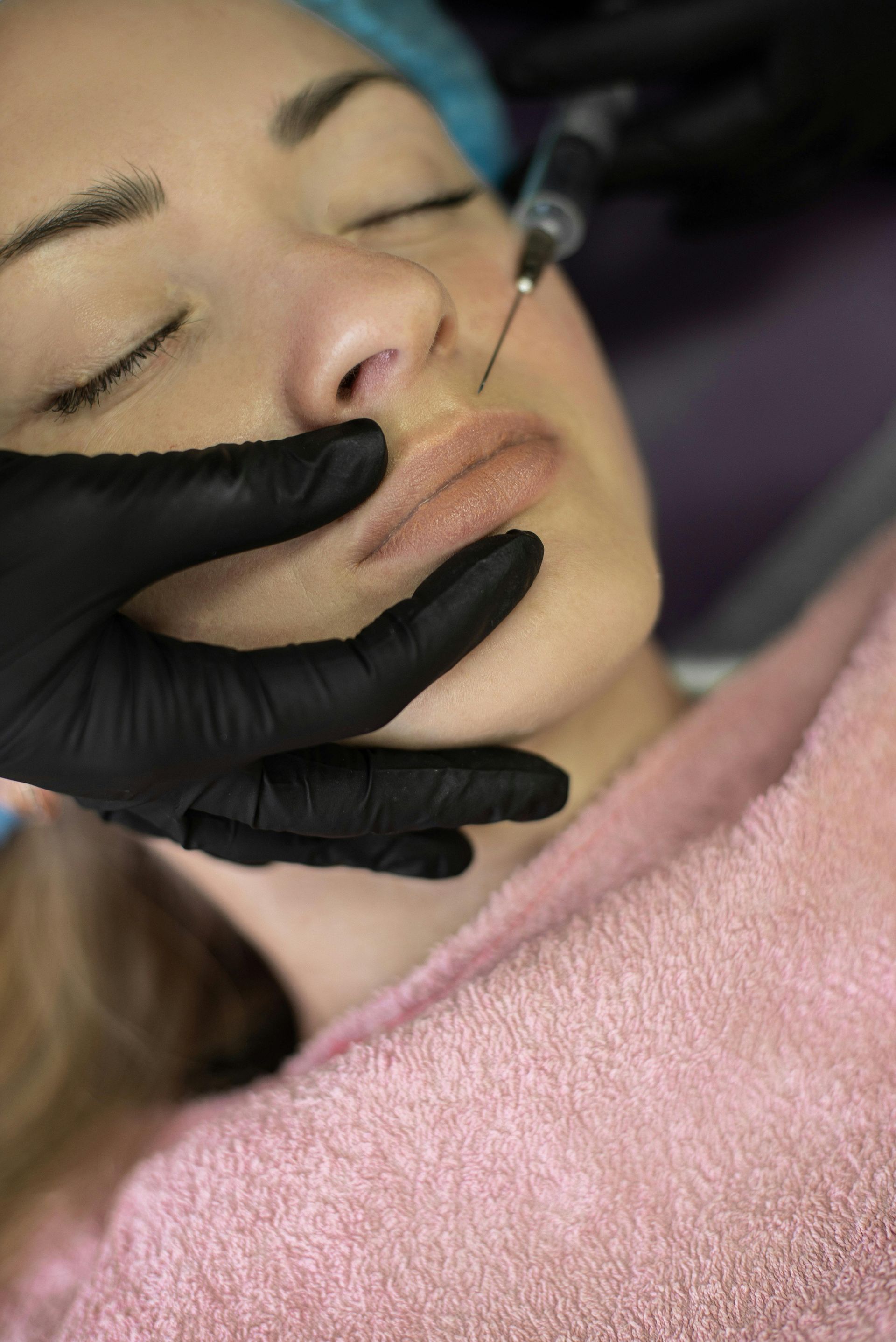
These treatments use controlled energy sources—such as heat, cold, sound waves, or muscle-stimulating technology—to reduce fat, tighten skin, or enhance muscle tone. Sessions are typically quick, well-tolerated, and allow patients to resume normal activities the same day.
Benefits
- Noninvasive or minimally invasive
- Little to no downtime
- Gradual, natural-looking improvements
- Suitable for many body types and lifestyle levels
Ideal Candidates
- Those already near their ideal weight but seeking refinement
- Patients with mild to moderate skin looseness
- Individuals looking for convenience and low-risk treatment
Results
Outcomes develop gradually over several weeks as the body naturally processes and reshapes treated areas. Multiple sessions may be recommended for the best results.
Choosing the Right Approach
Deciding between surgical and non-surgical body contouring depends on your specific concerns, goals, and expectations.
Consider surgical body contouring if you:
- Want dramatic reshaping
- Have significant loose skin or muscle laxity
- Don’t mind a longer recovery period
Consider non-surgical body contouring if you:
- Prefer minimal downtime
- Want subtle, progressive enhancement
- Are close to your desired weight but need targeted refinement
Final Thoughts
Body contouring—whether surgical or non-surgical—offers effective ways to enhance your natural shape and boost your confidence. The best way to determine which option is right for you is to consult with a qualified plastic surgeon who can assess your goals, anatomy, and lifestyle. At Fleming Island Plastic Surgery, Dr. William Wallace and his team embrace the Live Beautiful Lifestyle, focusing on overall well-being as well as physical transformation. Understanding that every patient’s journey is unique, Dr. Wallace creates personalized treatment plans and prioritizes open communication and education from consultation through recovery, ensuring patients feel informed and empowered throughout their experience. So, why wait! Call us at 904-990-3477 and schedule your consultation today!


Choosing Clinical Excellence: Why the FACS Designation and Board Certification Define Patient Safety