Cosmetic Fillers and COVID-19 Vaccine
Well, 2020 ended at the stroke of midnight on December 31, but for whatever reason, life as we know it hasn’t changed much. Weren’t we all hoping life to magically return to normal as the ball dropped in Times Square?
Fortunately, there is hope at the forefront. Due to the fantastic work of great scientific minds, we now have available novel vaccines that may finally allow us to get control over this pandemic. In the United States, there are currently two vaccines available from the companies Pfizer and Moderna. Both are mRNA vaccines, which are an exciting new approach to fighting a disease that I will allow a genetic scientist, virologist, infectious disease specialist, but not a plastic surgeon like me, to explain. The Moderna vaccine will likely be the most widely available due to its less stringent refrigeration requirements than Pfizer.
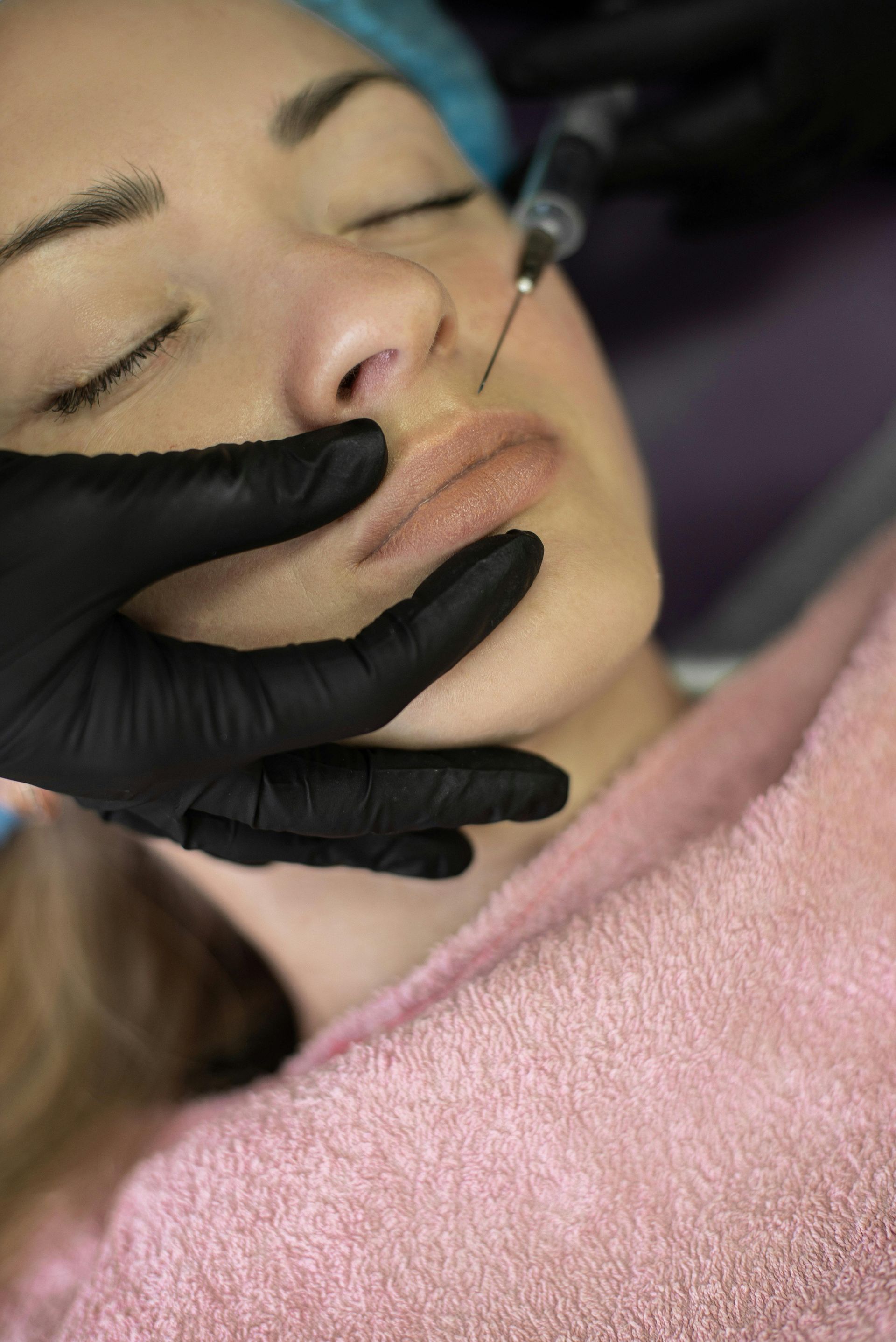
However, recently, infrequent reports that some individuals with injectable dermal fillers may experience swelling in the areas where the fillers were injected upon receiving the vaccine. Leading experts in the field of injectable fillers were consulted and noted the following:
1) Reactogenicity (expected adverse reactions from a vaccine) occurs after vaccines are given and are indicative of the body’s early response to that vaccine up-regulating the immune system and usually lasting about two to three days. Reactogenicity from any vaccine commonly ranges from mild injection site arm pain, redness or swelling, but can also cause more general symptoms like fever, lethargy, malaise, and muscle aches. In the cases of dermal fillers, it seems that the facial swelling resolved within a couple of days. Generally, this can be treated with antihistamines or oral steroids.
2) Similar incidents of this type of facial swelling have been previously reported in filler patients after other vaccines (like flu vaccine or shingles vaccine)
3) If someone who has had previous dermal fillers has the opportunity to get the COVID vaccine, they should take it as the potential benefit of the vaccine is vast, while the risk of a mild, short-lived, and treatable facial swelling is very low.
In short, the risks associated with COVID vaccines and injectable fillers are not significant enough to prevent individuals who have the opportunity to get vaccinated from doing so.
Suppose an individual was to experience facial swelling after COVID vaccination. In that case, they should contact their board-certified facial plastic, oculoplastic, dermatologist, or plastic surgeon accomplished in dermal fillers and up to date in the treatment of adverse reactions.


Choosing Clinical Excellence: Why the FACS Designation and Board Certification Define Patient Safety